The contemporary industrial settings work under severe performance demands. The level of production goals, quality standards, and regulatory compliance issues determine everyday activities at manufacturing facilities, construction sites, logistics centers, and processing units. With these requirements, exposure to particulate air is among the most sustained occupational hazards. The fine dust produced during the process of cutting, grinding, drilling, packaging, and transferring materials can severely affect respiratory health without proper management.
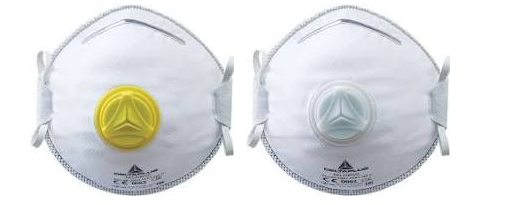
Dust masks in this regard are not just regular personal protective equipment. They are technical safety systems that are developed to respond to the filtration performance, ergonomic performance, and long wear. The industrial decision-makers should consider respiratory protection as a means of compliance, optimal workforce comfort, and long-term productivity.
Industrial Airborne Risk Assessment and Exposure Mapping
A proper respiratory protection starts with a planned assessment of the aerial threats in industrial situations, which should be properly accurate, quantifiable, and in compliance with the reality of operations.
- Identification of Particle Sources: The industrial processes generate the airborne particles at various stages, such as material cutting, surface finishing, mixing, and packaging.
- Evaluation of Particle Size Distribution: Coarse particles can lead to irritation of the upper respiratory tract, and fine respirable particles can penetrate into the lung tissue.
- Assessment of Exposure Duration: Intermittent tasks at the short-term have a significant difference from full-shift operations and continuous exposures.
- Integration with Environmental Controls: Respiratory equipment must be used in addition to ventilation systems, extraction, and containment.
- Alignment with Regulatory Standards: Systematic risk assessment can be used to make sure that the protective measures chosen comply with legal and industry-related safety standards.
Filtration Performance and Engineering Precision
High level of respiratory protection in the contemporary industry is a result of filtration engineering that incorporates high efficiency in capturing particles and optimization in airflow.
- Advanced Multi-Layer Filter Construction: The respiratory solutions include the use of a multi-layer filter design, which is highly effective in capturing coarse and fine particles. Each layer adds to the particle retention and acceptable airflow resistance, allowing comfort to the user.
- Electrostatic Filtration Enhancement: This is a type of filtration that involves the use of the attraction and trapping of microscopic particles by the electrostatic charge properties of the filtration material.
- Optimized Airflow Resistance: Properly implemented filtering systems strike a balance between safety and breathing to avoid exhaustion in long working shifts in industries.
- Structural Integrity Under Operational Stress: The conditions the industry is put under with respect to protective equipment subject it to heat, humidity, and mechanical motion.
- Seal Integrity and Fit Stability: The use of contoured shapes, flexible nose bridges, and integrated fastening mechanisms is useful in ensuring a reliable seal.
See also: Drive Smarter, Live Freer: Flexible Monthly Car Solutions for Modern Mobility
Ergonomics and Comfort as Compliance Drivers
Comfort is not an option in the high-demand industrial environment, as it is decisive in determining regular use and eventual adherence to respiratory safety measures.
- Lightweight Material Composition: The weight is too heavy, which causes facial pressure and discomfort. Contemporary designs are designed using light materials to enhance the wearability over long durations.
- Moisture Management and Breathability: Breathable inner layers and airflow optimization reduce condensation and internal heat buildup.
- Adaptive Fit Across Workforce Profiles: Industrialized designs and manipulable aspects can fit different users without reducing the effectiveness of the seals.
- Skin Compatibility and Reduced Irritation: When in constant contact with protective surfaces, unless designed properly, they can be uncomfortable.
- Ease of Application and Removal: Streamlined donning processes promote proper and proper use at busy operations.
Implementation Strategy and Operational Integration
Even the most technologically sophisticated dust masks are not of value unless they are accompanied by organized implementation, employee education, and strategic implementation into routine business work.
- Structured Workforce Training: Employees should be knowledgeable of proper fitting methods, seal inspection, and the order of replacement.
- Defined Replacement and Disposal Protocols: Filtration performance reduces as it becomes saturated in time. The replacement should have clear instructions to ensure that protection is not compromised and the usage does not lead to prolonged use.
- Supervisory Monitoring and Accountability: The active monitoring can help strengthen compliance and discover the loopholes in protective practices in time before they become health risks.
- Inventory Planning and Accessibility: Adequate supply management: This is where workers are readily supplied with replacement units whenever they need them, and unsafe improvisation is avoided.
- Periodic Safety Audits and Review: Ongoing review and analysis of the exposure data and records of compliance can help organizations to optimize the respiratory strategies and adjust to the changes in operations.
Long-Term Occupational Health and Strategic Value
In addition to the short-term protection, investments in respiratory safety are associated with the sustainability of the workforce health, operational stability, and improved corporate responsibility solutions.
- Prevention of Chronic Respiratory Conditions: Decreased inhalation of fine industrial particles will reduce the risk of long-term respiratory disease and resultant healthcare expenditures.
- Improved Workforce Productivity: When employees are healthy, there is a reduced number of disruptions as a result of respiratory irritation or illness, thereby aiding the continuity of operation.
- Enhanced Corporate Responsibility Profile: Proactive respiratory protection reinforces the credibility of the organization among regulatory and partner bodies as well as the stakeholders.
- Reduced Compensation and Liability Exposure: Preventive safety measures are able to reduce financial risks in relation to occupational health claims.
- Commitment to Continuous Safety Innovation: The introduction of the new protection solutions can be viewed as a progressive leadership approach and a reflection of care for workers.
Conclusion
It is a strategic need in the contemporary industry to balance respiratory protection and the comfort of the wearer. In order to maintain the same compliance, solutions should be effective that incorporate certified filtration performance, ergonomic stability, and operational practicality. By ensuring the use of well-engineered dust masks, organizations enhance the occupational health systems, minimize the exposure to risks in the long run, and promote the efficiency of the workforce. Sustainable safety culture, and the industrial performance outcomes, which can be quantified, are the final outcomes of protection that is supportive of comfort.
For organizations seeking advanced respiratory protection solutions, Delta Plus delivers engineered safety equipment designed for demanding industrial environments. With a strong focus on innovation, compliance, and ergonomic performance, Delta Plus supports businesses in enhancing workplace protection standards without compromising comfort. Explore comprehensive respiratory protection solutions tailored to modern industry requirements at Delta Plus and strengthen your safety strategy with globally trusted expertise.