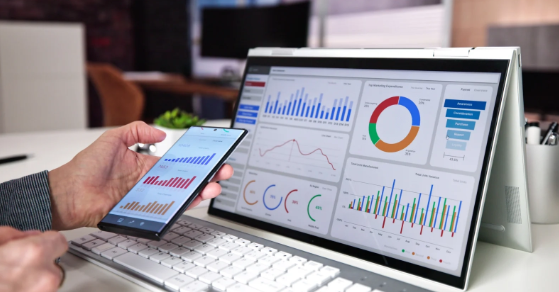
In today’s data-driven business landscape, organizations are constantly searching for ways to gain deeper insights and make smarter decisions. One of the most powerful solutions to emerge in recent years is embedded analytics software. This technology integrates analytical capabilities directly into business applications, allowing users to access real-time data insights without leaving their primary workflow.
Embedded analytics software is changing how companies interact with data. Instead of relying on separate business intelligence tools, users can view dashboards, reports, and predictive models directly within the systems they already use—such as CRM platforms, ERP systems, or custom enterprise applications.
What Is Embedded Analytics Software?
Embedded analytics software refers to analytical tools and reporting features that are seamlessly integrated into another software application. Rather than requiring users to switch to a standalone analytics platform, embedded analytics brings charts, graphs, key performance indicators (KPIs), and data visualizations directly into the operational system.
For example, a sales manager using a CRM platform can instantly view sales trends, revenue forecasts, and performance comparisons within the same interface. This integration eliminates the need to export data or consult a separate reporting tool.
Key Features of Embedded Analytics Software
Modern embedded analytics software offers a wide range of features designed to make data more accessible and actionable:
- Interactive Dashboards: Users can view real-time performance metrics through customizable dashboards.
- Self-Service Analytics: Non-technical users can generate reports and analyze data without relying on IT teams.
- Data Visualization Tools: Charts, graphs, heat maps, and other visual tools help simplify complex datasets.
- Real-Time Reporting: Live data updates ensure decision-makers always have the most current information.
- Role-Based Access Control: Different users can see analytics relevant to their specific responsibilities.
- Predictive Analytics: Advanced systems use machine learning to forecast trends and outcomes.
These features allow businesses to democratize data access and empower employees at all levels.
Benefits of Embedded Analytics Software
The integration of analytics into business applications provides several significant advantages.
Improved Decision-Making
When analytics are embedded directly into operational systems, users can make informed decisions in real time. There is no delay between identifying a problem and accessing the data needed to solve it. This immediacy improves responsiveness and strategic planning.
Increased Productivity
Switching between multiple platforms can disrupt workflows and waste valuable time. Embedded analytics software reduces friction by keeping insights within the same interface. Employees can analyze data and take action without interruption.
Enhanced User Experience
By providing insights within familiar tools, organizations improve user adoption. Employees are more likely to engage with analytics when they are part of their daily routines rather than a separate, complex system.
Competitive Advantage
Companies that leverage embedded analytics gain faster access to insights compared to competitors who rely on manual reporting processes. This agility allows them to respond quickly to market changes, customer behavior, and operational challenges.
Use Cases Across Industries
Embedded analytics software is widely used across various industries, each benefiting in unique ways.
- Healthcare: Hospitals integrate analytics into patient management systems to monitor treatment outcomes and optimize resource allocation.
- Finance: Financial institutions embed analytics into banking platforms to assess risk, detect fraud, and track investment performance.
- Retail: Retailers use embedded analytics in inventory management systems to forecast demand and manage supply chains.
- SaaS Companies: Software providers integrate analytics into their platforms to offer customers valuable insights as part of their service.
In each case, embedded analytics transforms raw data into meaningful insights that drive performance improvements.
See also: Technology Regulation and Governance
Embedded Analytics vs. Traditional Business Intelligence
Traditional business intelligence (BI) tools typically operate as standalone platforms. Users must extract data from operational systems, load it into a BI tool, and then generate reports. This process can be time-consuming and often requires technical expertise.
In contrast, embedded analytics software eliminates these steps by integrating directly into the primary application. It simplifies access to insights and reduces dependency on data specialists. While standalone BI platforms are still valuable for complex analysis, embedded analytics focuses on delivering contextual insights exactly where they are needed.
Implementation Considerations
Before adopting embedded analytics software, organizations should evaluate several factors:
- Scalability: The solution should handle growing data volumes and increasing user demands.
- Security: Strong data protection measures are essential to safeguard sensitive information.
- Customization: The platform should allow customization to align with business needs and branding.
- Integration Capabilities: Compatibility with existing systems is critical for seamless deployment.
Choosing the right vendor and planning a structured implementation process can ensure a successful integration.
The Future of Embedded Analytics Software
As businesses continue to embrace digital transformation, embedded analytics software is expected to become even more sophisticated. Advances in artificial intelligence, natural language processing, and automated insights will make analytics more intuitive and proactive.
Future systems may automatically suggest actions based on detected patterns or allow users to ask questions in plain language and receive instant visual reports. This evolution will further reduce barriers to data access and empower organizations to become truly data-driven.
Conclusion
Embedded analytics software represents a significant shift in how organizations use data. By integrating analytical capabilities directly into everyday applications, businesses can enhance productivity, improve decision-making, and gain a competitive edge.