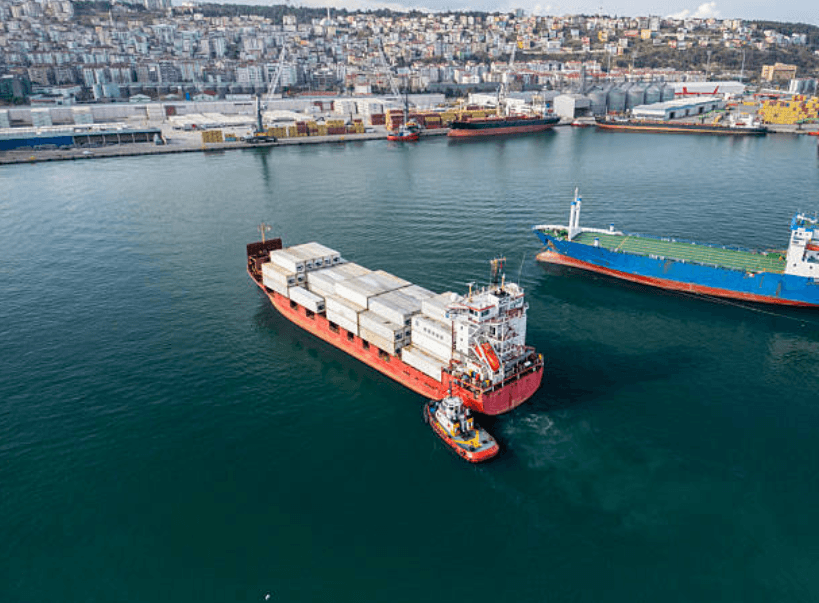
In today’s marine industry, vessel efficiency, safety, and environmental responsibility are top priorities. One essential component that plays a central role in achieving these goals is the thru hull exhaust system. Whether used in commercial vessels, luxury yachts, or recreational boats, this system ensures that engine gases are expelled safely and efficiently through the hull of the vessel.
A well-designed and properly maintained thru hull exhaust system not only improves engine performance but also enhances onboard comfort and ensures compliance with environmental regulations. This article provides a comprehensive overview of how these systems work, the challenges they face, and why professional facility management services are critical for long-term reliability.
What Is a Thru Hull Exhaust System
A thru hull exhaust system is designed to discharge engine exhaust gases directly through the hull of a vessel, typically near or above the waterline. Unlike traditional exhaust systems that route gases through the transom, this configuration offers improved efficiency and flexibility in vessel design.
Key Components
A typical thru hull exhaust system consists of several integrated parts:
- Exhaust manifolds that collect gases from the engine
- Risers that elevate exhaust flow and prevent water intrusion
- Exhaust piping or hoses designed to withstand high temperatures
- Mufflers or silencers for noise reduction
- Thru hull fittings that allow gases to exit the vessel safely
Each component must be engineered with precision to ensure durability and optimal performance in harsh marine environments.
How a Thru Hull Exhaust System Works
The system begins at the engine, where exhaust gases are generated during combustion. These gases pass through the manifold and riser before traveling through insulated piping. In many designs, water is injected into the exhaust stream to cool the gases and reduce noise.
Finally, the gases exit through a sealed fitting in the hull. The placement and design of this outlet are critical, as they must prevent water from entering the system while ensuring efficient discharge.
Advantages of a Thru Hull Exhaust System
The thru hull exhaust system offers several advantages that make it a preferred choice for many vessel types.
Improved Engine Efficiency
By providing a more direct route for exhaust gases, the system reduces back pressure. Lower back pressure allows the engine to operate more efficiently, improving fuel consumption and overall performance.
Enhanced Vessel Design Flexibility
A thru hull exhaust system allows for more flexible engine placement and interior layout. This is particularly beneficial in modern yacht design, where space optimization is a priority.
Reduced Noise Levels
With proper mufflers and water injection, the system significantly reduces engine noise. This creates a quieter and more comfortable onboard experience.
Better Heat Management
Cooling the exhaust gases helps protect surrounding components from excessive heat, extending the lifespan of the system and nearby equipment.
Challenges Associated with Thru Hull Exhaust Systems
Despite their advantages, these systems also present unique challenges that must be addressed through proper design and maintenance.
Risk of Water Intrusion
One of the most critical concerns is preventing water from entering the exhaust system. Improper installation or damaged components can lead to water backflow, which can cause severe engine damage.
Corrosion and Material Degradation
Marine environments expose exhaust systems to saltwater, humidity, and high temperatures. Over time, these factors can cause corrosion and weaken system components.
Installation Complexity
A thru hull exhaust system requires precise installation to ensure proper alignment, sealing, and performance. Errors during installation can lead to leaks, inefficiencies, or safety hazards.
Maintenance Demands
Regular inspection and maintenance are essential to keep the system functioning correctly. Neglecting maintenance can result in costly repairs and operational downtime.
Materials Used in Thru Hull Exhaust Systems
Choosing the right materials is crucial for durability and performance.
Stainless Steel
Stainless steel is widely used for its strength and resistance to corrosion. It is ideal for high-temperature applications but must be properly maintained to prevent degradation.
Fiberglass and Composites
These materials are lightweight and resistant to corrosion, making them suitable for certain components such as mufflers and piping.
Rubber and Silicone Hoses
Flexible hoses made from high-temperature rubber or silicone are used to connect various parts of the system. These materials must be inspected regularly for wear and tear.
Maintenance Best Practices
Maintaining a thru hull exhaust system is essential for ensuring safety and efficiency.
Routine Inspections
Regular inspections help identify early signs of wear, corrosion, or leaks. This includes checking joints, clamps, and thru hull fittings.
Cleaning and Debris Removal
Carbon buildup and marine debris can restrict airflow. Cleaning the system ensures optimal performance and prevents blockages.
Monitoring Temperature and Pressure
Abnormal temperature or pressure levels can indicate underlying issues. Monitoring these parameters helps detect problems before they escalate.
Timely Replacement of Components
Worn or damaged parts should be replaced promptly to prevent system failure and maintain efficiency.
See also: How Ai-Powered Intelligent Search Enhances Business Efficiency?
Industry Insights: Trends and Innovations
The marine industry continues to evolve, and the design of thru hull exhaust system solutions is advancing accordingly.
Emission Reduction Technologies
New systems are being designed to minimize emissions and comply with stricter environmental regulations. This includes improved filtration and catalytic technologies.
Noise Control Innovations
Advanced muffler designs and acoustic insulation materials are helping reduce noise levels even further.
Smart Monitoring Systems
Digital monitoring tools allow operators to track system performance in real time. These systems provide alerts for maintenance needs, reducing downtime and improving reliability.
Practical Example: Commercial Vessel Application
Consider a cargo vessel that operates continuously under heavy loads. A poorly maintained thru hull exhaust system can lead to increased back pressure, reducing engine efficiency and increasing fuel costs.
By implementing a structured maintenance program, the vessel operator can ensure that the system remains clean and functional. This results in improved fuel efficiency, reduced emissions, and fewer unexpected breakdowns.
Practical Example: Recreational Boating
In recreational boating, comfort and reliability are key. A faulty thru hull exhaust system can produce excessive noise and unpleasant fumes, diminishing the overall experience.
Routine maintenance and professional servicing help ensure quiet operation and a safe onboard environment, enhancing the enjoyment of every voyage.
Benefits of Hiring a Facility Management Company
Managing a thru hull exhaust system requires specialized knowledge and consistent oversight. Facility management companies provide valuable support in maintaining these systems.
Expertise and Technical Knowledge
Professionals have in-depth knowledge of marine exhaust systems and understand the complexities of installation, maintenance, and repair. Their expertise ensures that issues are identified and resolved efficiently.
Preventive Maintenance Programs
Facility management companies offer scheduled maintenance plans tailored to specific vessel needs. These programs help prevent problems before they occur, reducing downtime and repair costs.
Regulatory Compliance
Keeping up with environmental and safety regulations can be challenging. Facility management providers ensure that the thru hull exhaust system meets all applicable standards, reducing the risk of penalties.
Access to Advanced Tools
Specialized diagnostic tools and equipment allow professionals to perform accurate assessments and high-quality repairs. This level of precision is difficult to achieve without professional support.
Cost Efficiency
Although hiring a facility management company involves an investment, it often leads to long-term savings. Preventive maintenance reduces the likelihood of major failures and extends the lifespan of the system.
Enhanced Safety
A properly maintained thru hull exhaust system minimizes the risk of gas leaks and engine damage. Facility management services prioritize safety, protecting both crew and passengers.
Choosing the Right Service Provider
Selecting the right partner is essential for maintaining a reliable exhaust system.
Key Considerations
- Experience in marine exhaust systems
- Proven track record in the industry
- Comprehensive service offerings
- Availability of emergency support
- Strong client testimonials
Questions to Ask
- Do they provide customized maintenance plans
- What certifications do their technicians hold
- How do they handle complex repairs
Careful evaluation ensures that you choose a provider who can meet your specific needs.
Environmental Responsibility
A well-maintained thru hull exhaust system contributes to environmental sustainability by reducing emissions and preventing leaks.
Best Practices
- Regular maintenance to ensure efficient operation
- Use of eco-friendly materials and technologies
- Compliance with environmental regulations
Facility management companies often incorporate sustainable practices, helping vessel owners reduce their environmental impact.
Future Outlook
The future of the thru hull exhaust system is shaped by innovation and environmental considerations.
Integration with Hybrid Systems
As hybrid propulsion systems become more common, exhaust system designs will continue to evolve to accommodate new technologies.
Stricter Regulations
Environmental standards are expected to become more rigorous, increasing the importance of efficient exhaust management.
Advanced Monitoring and Automation
Smart systems will enable predictive maintenance and real-time performance optimization, improving reliability and efficiency.
Conclusion
The thru hull exhaust system is a vital component of modern marine vessels, influencing performance, safety, and environmental compliance. Its design, installation, and maintenance require careful attention to detail and a thorough understanding of marine engineering principles.
By investing in regular maintenance and partnering with a professional facility management company, vessel owners can ensure that their systems operate efficiently and reliably. From reducing operational costs to enhancing onboard safety, the benefits of proper exhaust system management are significant and long-lasting contact us