Worksites follow a sequence that rarely changes. The ground is prepared first. Power is stabilised next. Material movement comes after that. When these stages sit in order, activity across the site tends to hold a steady pace through the day.
Roadwork zones, storage yards, construction plots, and fabrication areas all reflect this structure in different ways. The equipment involved is not interchangeable. Each machine has a defined role inside that flow which helps every worksite run better.
Road Rollers and the Formation of Operational Groundwork
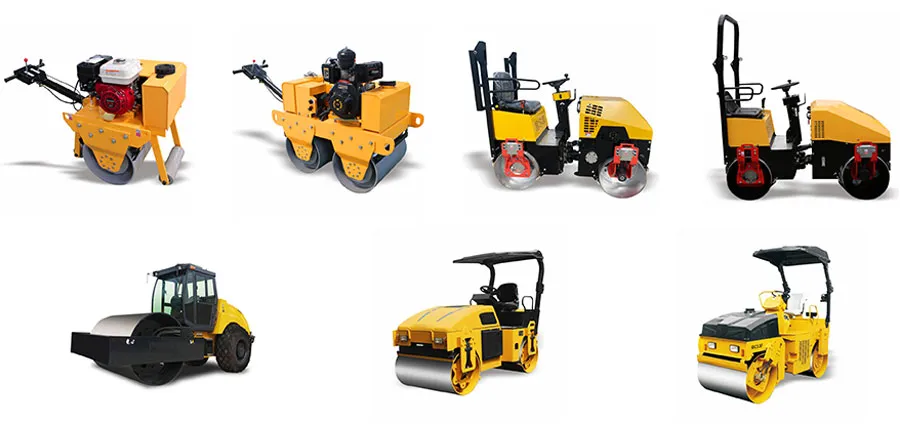
A road roller sets the physical condition of a site before any serious work begins. The surface is shaped, pressed, and levelled so that movement later in the project does not become uneven or unpredictable.
Compaction is not a single action. It happens in stages. Soil responds differently depending on moisture, layer depth, and material type. Each pass of the roller adjusts the surface until it holds weight without shifting under pressure.
Once this stage is complete, everything that follows becomes easier to control. Trucks move with fewer restrictions. Equipment travels without sinking or imbalance. Work zones stay usable for longer periods without frequent correction.
How Road Rollers Establish Site Readiness at Scale
Large sites do not rely on isolated compaction work. They follow planned movement patterns. The roller travels in defined paths across sections of ground. Each section is brought to the same level of firmness before the next stage of work begins.
This approach keeps the surface uniform across the entire area. It also reduces variation between zones where heavy machinery operates and zones used for transport or storage.
On infrastructure projects, this stage shapes the behaviour of the entire site. Once the base is set correctly, later activity does not require constant surface adjustment.
Diesel Engines and Continuous Power Across Worksite Operations
A diesel engine supports multiple functions at the same time. It runs generators that supply electricity. It powers pumps that manage water flow. It drives equipment that cannot rely on an external grid supply during active operations.
The value of this system lies in steady output over long hours. Load changes throughout the day. Some machines draw more power during peak activity. Others require less during slower phases. The engine adjusts without interrupting the supply.
This creates continuity across different parts of the site. Lighting remains stable. Machinery continues working. Systems that rely on constant energy input stay active without interruption.
Role of Diesel Engines in Sustained Industrial Output
Worksites rarely operate at a fixed level of demand. Activity increases during excavation or loading. It slows during repositioning or setup. Power systems need to adjust without affecting overall stability.
A diesel engine handles this variation through controlled response to load changes. Output remains steady while internal systems regulate fuel use and temperature levels.
This allows multiple machines to operate together without conflict in power demand. One system does not interrupt another. The site continues to function in a coordinated manner even when workload shifts throughout the day.
Pallet Trolleys and Controlled Material Movement Within Sites
Material movement inside a site often happens over short distances. Items shift from storage areas to active zones. Tools move between workstations. Supplies are delivered to points where they are needed immediately.
A pallet trolley handles this type of movement with direct control. It does not rely on complex systems or a large operating space. It moves the load in a straight path and keeps the material transfer predictable.
This simple function plays a steady role in keeping work areas supplied without delay. Items remain close to where they are needed. Movement stays consistent across the working floor.
See also: Technology Trends Shaping the Next Generation
How Pallet Trolleys Maintain Flow Across Operational Zones
Sites function better when movement follows a clear pattern. A pallet trolley supports this by keeping transfer routes short and direct. Material does not wait in long queues or require heavy equipment for every shift in position.
This keeps work areas active. Teams can access tools and supplies without breaking workflow. Movement between storage and usage points becomes part of the routine instead of a separate operation.
Over time, this creates a structured working site where material availability closely aligns with demand.
Conclusion
Each machine plays a separate role, yet the full system depends on coordination between them. The road roller prepares the base, the diesel engine maintains power, and the pallet trolley manages movement at ground level.
When these functions align, work progresses in a steady chain. Ground conditions support machinery. Power remains available throughout the cycle. Materials reach their point of use without delay.
This structure shapes how modern sites operate better. Activity flows from preparation to execution to movement in a continuous loop that holds steady through changing workloads.