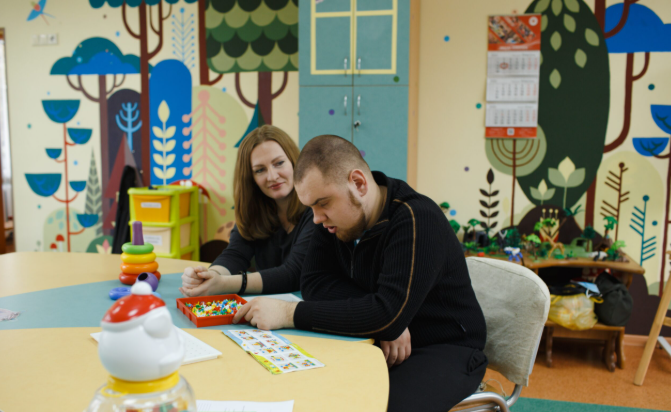
Inclusivity in the realm of social activities and day programs is essential for fostering a community that values diversity and participation for all individuals, regardless of their abilities. For individuals living with disabilities, engaging in enriching disability day programs can be life-changing, offering them the opportunity to develop new skills, build relationships, and enhance their overall well-being.
Societal inclusion starts with recognising the unique requirements of individuals with disabilities and creating avenues where they can connect, learn, and thrive. It’s crucial for our communities to be structured in a way that allows everyone to participate meaningfully in everyday activities.
The Importance of Disability Day Programs
Day programs serve as an integral part of this inclusive ethos, designed to support people with varying degrees of disability in accessing community facilities, cultural events, and educational workshops that cater to their interests and abilities. These programs operate with a focus on nurturing the talents and capabilities of each participant, addressing the holistic development needs of individuals.
Well-established disability day programs provide a structured environment where people with disabilities can enjoy a sense of routine and normalcy. Such programs are carved out with thoughtful consideration towards the emotional, intellectual, and physical requirements of individuals, ensuring that activities are accessible and enjoyable.
Moreover, these programs can also serve as a respite for caregivers, granting them the peace of mind that their loved ones are engaged in positive activities in a supportive setting. The social aspect of these programs can play a monumental role in shaping an individual’s identity and sense of belonging.
Key Elements of Inclusive Social Activities
For social activities to be truly inclusive, they must be adaptable to the diverse needs of all participants. The key to this lies in personalisation and flexibility, meaning activities should cater to varying interests and capabilities. Organisers should collaborate with participants to understand their preferences, making sure that no one feels sidelined or unable to partake due to physical or cognitive limitations.
Inclusive social activities also champion the idea of ‘universal design’, a framework that considers the widest range of potential users from the outset, creating environments that can be accessed, understood, and used to the greatest extent possible by everyone, regardless of their age, size, ability, or disability.
Accessibility is more than just providing ramps and wider doorways; it’s about creating spaces and opportunities that embrace differences, encouraging spontaneous interaction and reducing social isolation amongst individuals with disabilities.
Fostering Community Engagement
Community engagement is an essential component of empowering individuals with disabilities. By creating opportunities that encourage them to participate in local events, we open doors to new forms of self-expression and connection with others. These experiences can lead to increased confidence and a more active role in society.
Inclusive activities that are designed to encourage community engagement not only promote social inclusivity but also help in breaking down the barriers and stereotypes associated with disability. Shared experiences amongst people of all backgrounds can cultivate understanding and empathy within the wider community.
Activities like group sports, cooking clubs, or cultural celebrations are excellent ways to bring people together, fostering a spirit of teamwork and unity. Providing these shared experiences can contribute to a stronger, more inclusive community.
See also: Versatile Bags for Modern Lifestyles
Encouraging Lifelong Learning and Personal Development
Continual growth and learning are fundamental to personal fulfillment. For individuals with disabilities, engaging in activities that provide educational value can enhance cognitive abilities and foster a sense of achievement. From art and music workshops to computer skills training, these learning experiences can be adapted to suit the needs of all participants.
Lifelong learning within disability day programs may also focus on practical life skills, equipping participants with knowledge and tools to navigate the world with greater independence and confidence. Skills such as financial literacy, cooking, or public transportation navigation are valuable enhancements to the quality of life.
Personal development goes beyond acquiring new skills – it’s about nurturing self-esteem, enhancing communication abilities, and fostering a resilient mindset. Through personalised support, individuals can explore their potential and set goals that align with their interests and aspirations.
Conclusion
Disability day programs and inclusive social activities are instrumental in enriching the lives of individuals living with disabilities. They offer a platform for participants to experience the joy of social interaction, the pride of learning, and the warmth of community ties. More importantly, they stand as a testament to an inclusive society that values every individual.
By embracing and promoting these inclusive initiatives, we, as a community, contribute to a world where everyone has the opportunity to lead a fulfilling and engaged life. The collective effort to implement and support such programs and activities signifies a move towards a more accepting, understanding, and diverse society for all.
Ultimately, the measure of a community’s strength and compassion rests in its ability to incorporate and elevate those who are frequently marginalised. Disability day programs and inclusive social ventures are stepping stones to a more inclusive future, a future where every individual has the chance to thrive and contribute to the richness of their community.
The responsibility to nurture an inclusive environment is shared by everyone – service providers, government agencies, families, and individuals. It’s a continuous journey of learning and adapting, but one that holds the promise of a richer, more compassionate society for generations to come.