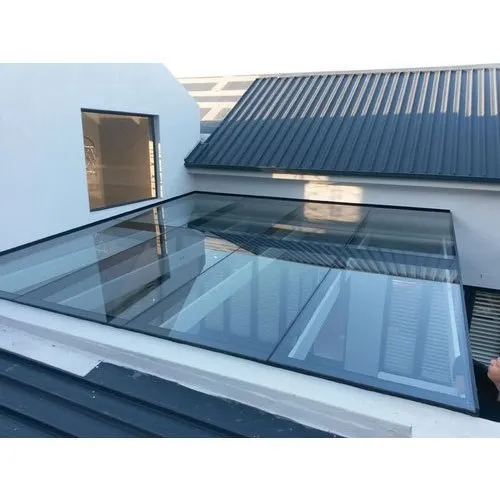
A custom flat glass rooflight has become one of the most effective ways to bring natural light into modern buildings while maintaining clean architectural lines and high energy efficiency. As design trends continue to shift toward open-plan layouts, minimalist aesthetics, and sustainable construction, the demand for bespoke roof glazing solutions has grown significantly across residential and commercial projects.
This guide explores everything you need to know about choosing and specifying a custom flat glass rooflight, including design options, technical performance, installation considerations, and real-world applications. Whether you are an architect, developer, or homeowner, understanding the value of bespoke rooflights can help you achieve better design outcomes and long-term performance.
What Is a Custom Flat Glass Rooflight?
A custom flat glass rooflight is a tailor-made glazed unit designed specifically for a particular roof opening, architectural requirement, or aesthetic vision. Unlike standard off-the-shelf rooflights, a custom solution is engineered to match precise dimensions, performance targets, and design preferences.
Typically, a custom flat glass rooflight includes:
- High-performance double or triple glazing
- Thermally broken aluminium or steel frames
- Precision-engineered upstands or kerb systems
- Optional coatings such as solar control or self-cleaning glass
- Bespoke sizing, shape, or configuration
These rooflights are commonly used in both new-build developments and renovation projects where standard sizes do not meet architectural requirements.
Why Choose a Custom Flat Glass Rooflight?
Opting for a custom flat glass rooflight offers several advantages over standard products. These benefits are not only aesthetic but also functional and performance-driven.
1. Perfect Fit for Any Project
One of the main reasons architects and builders choose a custom flat glass rooflight is precision. Every building is different, and structural constraints often require non-standard dimensions.
For example, in a Victorian terrace extension, ceiling joist spacing or wall alignment may require a bespoke rooflight size that maximises daylight without compromising structure. A custom solution ensures seamless integration.
2. Enhanced Architectural Freedom
A custom flat glass rooflight gives designers complete flexibility. Whether the goal is a large dramatic feature glazing panel or multiple smaller rooflights arranged in sequence, bespoke manufacturing allows for full creative control.
This is particularly valuable in luxury residential projects where the rooflight becomes a focal point of the interior design.
3. Improved Energy Efficiency
Modern custom flat glass rooflight systems are engineered to meet strict thermal performance standards. With advanced glazing technologies, including low-emissivity coatings and argon-filled units, they help regulate internal temperatures effectively.
Benefits include:
- Reduced heat loss in winter
- Reduced overheating in summer
- Lower reliance on artificial lighting
- Improved compliance with UK building regulations
4. Better Light Distribution
A custom flat glass rooflight can be positioned and sized to optimise daylight distribution throughout a space. This reduces dark zones and creates a more balanced interior environment.
For instance, in a kitchen-diner extension, a long bespoke rooflight can evenly illuminate both cooking and dining areas without the need for multiple artificial light sources during the day.
Design Options for Custom Flat Glass Rooflight Systems
The flexibility of a custom flat glass rooflight allows for a wide range of design possibilities. These options ensure the system aligns with both functional requirements and architectural vision.
Frameless Internal Finish
Many modern designs prioritise a frameless internal appearance, where the glass appears to float seamlessly within the ceiling. This enhances the sense of openness and maximises visual impact.
Fixed or Opening Configurations
A custom flat glass rooflight can be designed as either fixed or opening:
- Fixed units prioritise insulation and simplicity
- Opening units provide natural ventilation and airflow
Electric opening systems can be integrated for added convenience, particularly in hard-to-reach areas.
Structural Glazing Options
For large spans, structural glazing techniques allow for minimal framing and maximum glass coverage. This is often used in commercial atriums or high-end residential extensions.
Glass Performance Upgrades
Different glazing options can be incorporated into a custom flat glass rooflight, including:
- Solar control glass to reduce glare
- Self-cleaning coatings for easier maintenance
- Acoustic glass for noise reduction in urban areas
- Laminated safety glass for enhanced security
Applications of Custom Flat Glass Rooflight Installations
A custom flat glass rooflight can be adapted for a wide range of building types and architectural styles.
Residential Extensions
One of the most popular applications is in home extensions. A bespoke rooflight can transform a dark rear extension into a bright, open living space.
For example, in a contemporary kitchen extension, a large custom flat glass rooflight spanning the cooking island creates a visually striking centrepiece while improving functionality.
Loft Conversions
Loft spaces often present unique structural challenges. A custom flat glass rooflight allows natural light to be introduced even where vertical windows are not possible.
This is particularly useful in converted attic bedrooms or home offices where daylight is essential for comfort and productivity.
Commercial Buildings
Offices, retail environments, and hospitality venues frequently use custom rooflights to improve customer experience and staff wellbeing. Natural light has been shown to increase productivity and create more inviting spaces.
Educational and Public Sector Projects
Schools, libraries, and community centres benefit from bespoke roof glazing solutions that improve lighting quality while reducing energy consumption.
Energy Efficiency and Sustainability Benefits
A key advantage of a custom flat glass rooflight is its contribution to sustainable building design. With increasing focus on energy efficiency in the UK construction industry, rooflights play an important role in reducing carbon footprints.
Passive Solar Gain
When positioned correctly, a custom flat glass rooflight can harness natural solar energy to warm interior spaces, reducing heating demand during colder months.
Reduced Artificial Lighting Usage
Daylight is one of the most efficient lighting sources available. By maximising natural light, buildings can significantly reduce electricity consumption during daytime hours.
Compliance with Building Regulations
Modern custom flat glass rooflight systems are designed to meet or exceed UK building regulations, particularly Part L requirements for thermal efficiency.
In energy-conscious developments, high-performance triple glazing is often specified to achieve optimal U-values.
Installation Considerations for Custom Flat Glass Rooflight Projects
Proper installation is critical to ensuring long-term performance, durability, and weather resistance.
Structural Assessment
Before installation, a structural engineer typically assesses the roof to confirm it can support the weight of the custom flat glass rooflight. Reinforcements may be required depending on size and design.
Waterproofing and Detailing
Correct waterproofing is essential. A well-designed upstand system ensures that rainwater is effectively diverted away from the glazing unit, preventing leaks.
Thermal Bridging Prevention
High-quality installations include thermally broken frames and insulated kerbs to reduce heat loss and prevent condensation.
Professional Installation
Due to the technical complexity, a custom flat glass rooflight should always be installed by experienced professionals familiar with glazing and roofing systems.
See also: Indian Decor for Living Room: Timeless Ideas to Elevate Your Home
Real-World Example: Kitchen Extension Transformation
A typical example of a custom flat glass rooflight project involves a suburban home extension.
In one case, a homeowner wanted to convert a dark kitchen into an open-plan living space. Standard rooflights were too small and poorly positioned for the layout.
A bespoke solution was designed featuring a long, narrow custom flat glass rooflight running along the centre of the roof. The result was a dramatic increase in natural light, improved spatial perception, and reduced reliance on artificial lighting.
This demonstrates how a tailored approach can completely transform interior environments.
Cost Factors and Budget Considerations
The cost of a custom flat glass rooflight varies depending on several factors:
- Overall size and shape
- Glazing specification (double or triple glazed)
- Frame material and finish
- Opening mechanisms and automation
- Installation complexity
While bespoke solutions are typically more expensive than standard units, they provide significantly greater design flexibility and long-term value.
In many cases, the improved energy efficiency and property value outweigh the initial investment.
Maintenance and Longevity
A well-designed custom flat glass rooflight requires minimal maintenance. Most systems are engineered for durability and weather resistance.
Typical maintenance includes:
- Occasional cleaning of external glass surfaces
- Checking seals and drainage channels
- Inspecting frames for debris or wear
Self-cleaning glass options can further reduce maintenance requirements, making them ideal for hard-to-reach installations.
With proper care, a high-quality custom flat glass rooflight can last for decades without significant performance decline.
Future Trends in Custom Flat Glass Rooflight Design
The industry continues to evolve with new technologies and sustainability-focused innovations.
Smart Glass Technology
Future custom flat glass rooflight systems are increasingly incorporating electrochromic glass that can change tint based on sunlight conditions.
Integrated Solar Solutions
Some designs now include photovoltaic integration, turning rooflights into energy-generating components.
Enhanced Acoustic Performance
As urban environments become busier, demand for acoustic insulation in roof glazing continues to rise.
Ultra-Slim Frames
Manufacturers are developing even slimmer frame profiles to maximise glass area and improve aesthetic appeal.
Choosing the Right Supplier
Selecting the right supplier for a custom flat glass rooflight is essential to ensure quality, compliance, and long-term performance.
Key factors to consider include:
- Proven experience in bespoke glazing projects
- Compliance with UK building regulations
- Technical design support for architects and builders
- Warranty and aftercare services
- Range of customisation options
Working with an experienced manufacturer ensures that your project achieves both aesthetic and performance goals.
Conclusion
A custom flat glass rooflight is more than just a design feature. It is a powerful architectural solution that enhances natural light, improves energy efficiency, and adds long-term value to residential and commercial properties. With full flexibility in size, performance, and design, bespoke rooflights allow architects and homeowners to achieve results that standard products simply cannot match. From kitchen extensions to large-scale commercial developments, the applications are wide-ranging and impactful. If you are planning a project that requires precision-engineered glazing tailored to your exact specifications, contact us