Long-term dreams can be powerful. They give your life direction and meaning. Yet they can also feel heavy when progress is slow. You work, save, plan, and try to stay disciplined, but the destination still looks far away. Over time, that distance can quietly drain your motivation.
The middle phase is often the hardest part of any journey. You are no longer at the exciting beginning, yet you have not reached the outcome either. During this stage, it is easy to doubt yourself. You may wonder whether your goal is realistic or whether you should settle for something smaller. Even thinking about a chance to change your lifestyle can feel abstract when daily responsibilities take most of your energy.
Motivation does not disappear because your dream is wrong. It fades because the gap feels wide. Closing that emotional gap requires intention.
Revisit your original reason
Goals lose strength when you disconnect from the reason behind them. Pause and reflect on why you set this dream in the first place. Was it about security, freedom, growth, or providing for others?
Write your reason down clearly. Keep it visible. A strong reason provides fuel during slower seasons. When you remember what you are working toward, effort feels more meaningful.
Break progress into smaller windows
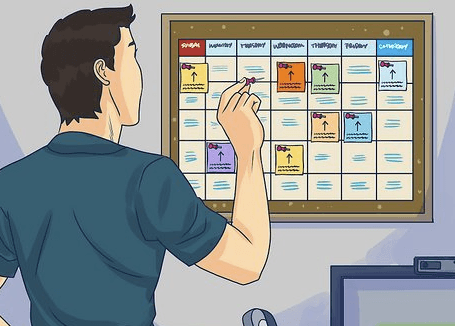
Focusing too far ahead can create discouragement. Shift your attention to shorter time frames. Ask yourself what you can accomplish in the next thirty days. Define specific, measurable actions.
Short term targets make success visible. Instead of waiting years to feel accomplished, you experience momentum monthly. Momentum keeps motivation alive.
Measure consistency instead of outcomes
Results often take time to appear. If you judge progress only by big milestones, you may overlook steady improvement. Track your behaviours. Record how often you complete tasks that move you forward.
Consistency builds confidence. Seeing evidence of effort reminds you that progress is happening, even if it is not dramatic.
Adjust your strategy when needed
Sometimes motivation dips because your plan is not working efficiently. Review your approach honestly. Are there smarter methods you could use? Is there a skill you need to strengthen?
Refinement does not mean failure. It means learning. Small adjustments can reignite momentum and restore belief in the path you are on.
Protect your environment
Your surroundings influence your mindset more than you realise. Spend time with people who are pursuing meaningful goals. Read about individuals who faced slow progress before achieving success.
Exposure to steady growth normalises patience. When you see others persist through similar phases, your own journey feels less isolating.
Long-term dreams test resilience. Motivation will naturally rise and fall. What matters is maintaining direction even during quieter periods. By reconnecting with your purpose, focusing on shorter milestones, tracking effort, refining your strategy, and shaping a supportive environment, you create stability within the process. Over time, consistent action narrows the distance between your present reality and your future vision. Patience combined with steady effort can transform what feels distant today into something achievable tomorrow.