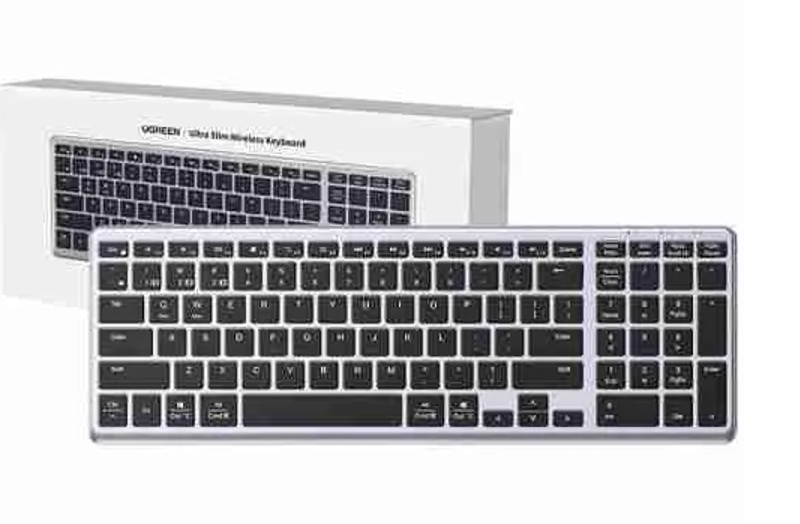
You’ve probably noticed that keyboard prices in shops vary wildly. Some models cost a few hundred shillings, others demand several thousand. It’s easy to assume they all do the same job, but that thinking could leave you frustrated with a purchase that wears out quickly.
The keyboard price in Kenya reflects more than just branding or aesthetics. You’re paying for specific engineering choices that affect how the device feels, how long it lasts, and whether it matches your work style. Understanding these differences helps you avoid spending money on features you don’t need, or buying something cheap that fails quickly.
The Switch Mechanism Beneath Each Key
Membrane Switches: Most affordable keyboards use a rubber dome membrane beneath the keys. When you press down, the dome collapses and completes an electrical circuit. This design keeps manufacturing costs low, which translates to cheaper retail prices. The feel is often mushy, and the domes wear out after a few million presses.
Mechanical Switches: Mechanical keyboards use individual spring-loaded switches under each key. These switches provide tactile feedback, meaning you can feel exactly when a keystroke registers. They’re rated for 50 million presses or more, which is why gamers and writers prefer them. The production cost is higher, which bumps up the shelf price.
Optical Technology: Some premium models use optical switches that register keystrokes with light beams instead of physical contact. This eliminates wear from friction and offers faster response times. These innovations are still relatively new, so they command premium pricing in the Kenyan market.
See also: Technology’s Impact on Productivity
Build Quality and Material Choices
Plastic Frames: Entry-level keyboards typically feature plastic frames that keep the weight and cost down. Plastic works fine for occasional use, but it flexes under pressure and can crack if you’re a heavy typer. If you’re moving your keyboard regularly, this fragility becomes a concern over time.
Metal Construction: Mid-range and high-end keyboards often incorporate aluminium or steel plates. These materials add heft and stability, preventing the keyboard from sliding around your desk during intense typing sessions. The solid construction also dampens vibrations, creating a more satisfying typing experience.
Keycap Quality: Cheap keyboards use thin ABS plastic keycaps with pad-printed legends that fade within months. Quality models feature thicker PBT plastic with doubleshot moulding or dye-sublimated lettering that never wears off. The difference becomes obvious after six months when budget keycaps turn shiny and illegible.
Connectivity Options and Flexibility
Wired Connections: Basic keyboards connect via USB and draw power directly from your computer. There’s no lag, no batteries to replace, and the price stays low because the technology is straightforward. For office work where your keyboard stays in one place, wired models make perfect sense.
Wireless Freedom: Bluetooth keyboards let you work without cable clutter and switch between devices easily. This convenience requires built-in batteries, wireless modules, and more complex circuitry. Manufacturers pass these costs to you, but the flexibility might be worth it if you connect to multiple devices throughout the day.
Multi-Device Pairing: Premium keyboards offer both wired and wireless modes, plus the ability to pair with three or more devices simultaneously. You can switch from your desktop to your tablet with a button press. This versatility appeals to professionals juggling multiple screens, though it increases the price considerably.
Additional Features That Influence Price
The presence of dedicated media controls, USB pass-through ports, or detachable cables adds manufacturing complexity. Each extra feature requires additional components and assembly steps:
- Wrist rests reduce strain during extended typing sessions, but they add material costs and shipping weight that bump up the final price.
- Hot-swappable switches let you replace individual switches without soldering, appealing to enthusiasts who want customisation options unavailable in standard models.
- RGB lighting requires LEDs for every key, control chips, and software integration, which explains why gaming keyboards often cost double compared to plain models.
- Programmable keys and macro support demand onboard memory and sophisticated firmware that boost productivity for content creators and gamers.
Durability and Quality Assurance
Basic Testing: Cheaper keyboards undergo basic quality checks before leaving the factory. You might get a unit that works perfectly for years, but you could also encounter dead keys or connection issues within weeks. The manufacturer’s lower investment in testing gets reflected in both reliability and price.
Rigorous Validation: Premium brands test their keyboards for millions of keystrokes and expose them to temperature extremes. This rigorous process catches defects before products reach customers, reducing your chance of getting a faulty unit. The testing infrastructure contributes to higher prices you’ll see for established brands.
Warranty Coverage: Budget keyboards typically offer minimal warranty coverage. If something breaks, you’re buying a replacement. Quality keyboards come with two to five-year warranties and accessible customer support. You’re paying for insurance against manufacturing defects, which matters when a keyboard is central to your work.
Finding the Right Balance for Your Needs
Usage Patterns: If you’re typing documents and browsing websites, a well-built membrane keyboard serves you perfectly. Save your money for other priorities. If you spend eight hours daily at your keyboard, the comfort and durability of a mechanical model quickly justifies the investment through reduced fatigue.
Ownership Costs: A keyboard costing 2,000 shillings that lasts one year actually costs more than a 5,000 shilling model that serves you for five years. Factor in the frustration of dealing with failures and the time spent shopping for replacements. Sometimes paying more initially saves you money and hassle.
Local Support: Purchasing from established retailers means you can physically test keyboards before buying and access warranty support if issues arise. Grey market imports might offer lower prices, but you’re on your own if something goes wrong. This security has value for products you rely on daily.
Conclusion
Understanding what drives keyboard pricing helps you make smarter purchasing decisions. You’re not just paying for a typing tool; you’re investing in specific materials, technologies, and quality processes that affect your daily experience. Whether you need basic functionality or advanced features, matching your budget to your actual requirements ensures you get value. Take time to assess how you’ll use your keyboard, then choose accordingly. Your wallet will benefit from the informed decision.