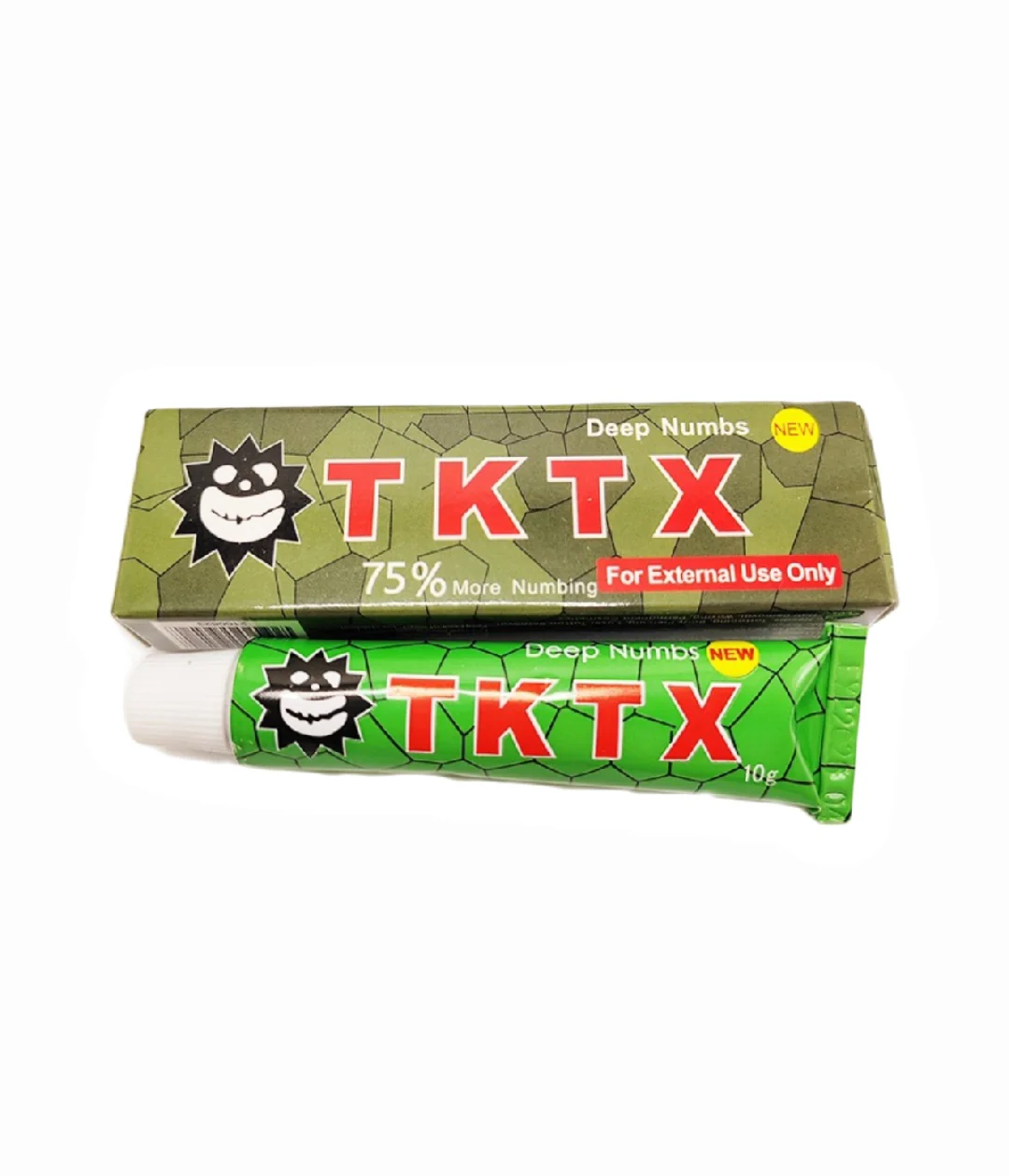
Cosmetic procedures have become increasingly popular, yet many people still worry about facing discomfort during treatment. Understanding when topical anaesthetics work best can transform your experience. The right preparation makes a significant difference between tolerating pain and enjoying a comfortable session that delivers the results you want.
Numbing cream offers substantial relief for various aesthetic treatments, though its effectiveness varies depending on the procedure type and application method. Many clients skip proper preparation and end up disappointed with partial pain reduction. Knowing exactly when and how to apply these products ensures you get maximum benefit during your appointment, especially for treatments involving needles or heat-based technology.
Understanding Topical Anesthetics and Their Applications
How Transdermal Anesthesia Works: Topical anaesthetics contain active ingredients like lidocaine that penetrate the skin’s surface layers to temporarily block nerve signals. These formulations need time to absorb through the epidermis before reaching the pain receptors beneath the skin. The depth of penetration determines how well you’ll feel protected during different procedures, which is why application timing matters so much for optimal results.
Procedures That Benefit Most: Treatments involving superficial skin layers respond exceptionally well to numbing preparations. Microblading, tattoo removal, dermal fillers, and laser hair removal typically cause moderate discomfort that these products effectively manage. You’ll notice the biggest difference with procedures that target the upper dermis rather than deeper tissue structures where topical products struggle to reach adequately.
When Numbing May Not Help: Deep tissue treatments or procedures affecting areas with thicker skin might not respond as well to surface applications. Body waxing on areas like backs or thighs sometimes yields disappointing results because hair removal happens quickly before full absorption occurs. Realistic expectations prevent frustration and help you plan alternative pain management strategies when needed for specific treatment types.
Optimal Timing for Different Cosmetic Treatments
Microblading and Permanent Makeup Applications: These procedures require precise timing for maximum comfort throughout the session. Apply your preparation 45 to 60 minutes before your appointment begins, ensuring adequate absorption time. The technician may reapply during longer sessions because the effect gradually diminishes after about 90 minutes, particularly on facial areas with thinner skin that metabolise the product faster than other body regions.
Laser and IPL Treatments: Heat-based procedures demand careful planning because timing affects both comfort levels and treatment outcomes. Your practitioner might recommend applying the product 30 to 45 minutes beforehand, then removing it just before the laser session starts. This approach prevents any interference with the laser’s ability to target hair follicles or pigmentation while still providing adequate pain relief during treatment.
Application Guidelines for Common Procedures:
- Tattoo sessions benefit from generous application 60 minutes prior, with plastic wrap coverage to enhance absorption and prevent premature drying.
- Dermal filler injections require 30 to 45 minutes of prep time, focusing on treatment zones like nasolabial folds or lips where sensitivity runs high.
- Chemical peels work best with minimal numbing since some formulations can interfere with the peel’s penetration and overall effectiveness.
- Waxing appointments need only 20 to 30 minutes of application time because the discomfort is brief and intense rather than prolonged.
See also: Navigating the Waves of Innovation: The Role of Marine-Grade Custom Castings in Modern Shipbuilding
Professional Recommendations for Maximum Effectiveness
Pre-Treatment Preparation Steps: Clean skin absorbs topical anaesthetics more efficiently than skin with makeup, oils, or moisturisers creating a barrier. Exfoliating gently the day before your appointment removes dead cells that might block absorption. Apply a thick, even layer covering the entire treatment area, then cover with plastic wrap to prevent evaporation and enhance percutaneous absorption through occlusion for dramatically improved results.
Managing Expectations About Pain Reduction: Most people experience 60 to 80 percent pain reduction rather than complete numbness during cosmetic procedures. The remaining sensation helps practitioners gauge your comfort and adjust technique accordingly. Some areas like the upper lip, inner arm, or ribcage remain more sensitive regardless of preparation because nerve density varies across different body regions and individual pain thresholds.
Safety Considerations and Patch Testing: Testing a small area 24 hours before your full application identifies potential allergic reactions or skin sensitivity issues. Never apply these products to broken, irritated, or sunburned skin because absorption increases dramatically and raises the risk of systemic effects. Following manufacturer guidelines about maximum coverage area and duration prevents adverse reactions that could compromise your treatment experience entirely.
Conclusion
Proper timing and application of topical anaesthetics transforms cosmetic procedures from dreaded experiences into manageable appointments. Understanding which treatments benefit most and how to prepare your skin ensures you get optimal pain relief without compromising results. Take time to research your specific procedure’s requirements and communicate openly with your practitioner about your concerns. Start planning your next cosmetic treatment with confidence by choosing quality products and following expert application guidelines for the best possible outcome.