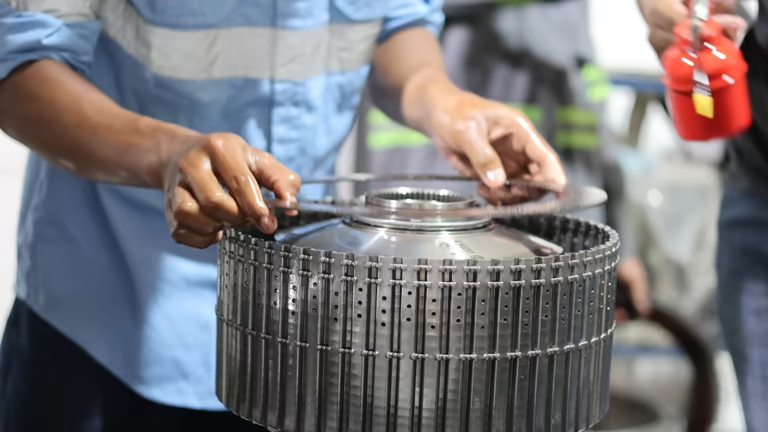
A reliable power generator is essential for businesses, industrial operations, hospitals, and even large commercial facilities. The rotor, a critical component of your generator, plays a vital role in converting mechanical energy into electrical energy. Over time, due to wear, overheating, or electrical stress, rotors can develop problems that compromise generator efficiency and safety. Identifying these issues early and seeking professional rotor repair services can prevent costly downtime and extend the lifespan of your equipment. This guide highlights the top signs that indicate your generator requires expert rotor repair and explains why timely intervention is crucial.
Understanding the Role of a Generator Rotor
The rotor is the rotating component of the generator’s alternator. It works alongside the stator to generate electricity by creating a magnetic field and inducing an electric current. The rotor’s performance directly affects:
- Electrical output: A damaged rotor reduces generator efficiency and power quality.
- System stability: Imbalanced or worn rotors can cause vibrations and mechanical stress.
- Safety: Faulty rotors may overheat or cause electrical hazards, putting personnel and equipment at risk.
Because the rotor is central to generator operation, even minor issues can escalate into major failures if left unchecked.
Common Causes of Rotor Damage
Several factors can contribute to rotor wear or failure:
- Overheating: Excessive current or inadequate cooling can damage rotor windings.
- Electrical Stress: Voltage spikes, short circuits, or insulation breakdown can harm the rotor.
- Mechanical Wear: Bearings, misalignment, or imbalance can lead to physical rotor damage.
- Environmental Factors: Dust, moisture, or corrosion may affect rotor integrity.
- Aging: Over time, insulation, bearings, and windings naturally degrade.
Understanding these causes helps in identifying potential issues before they escalate into costly repairs.
See also: Technology Regulation and Governance
Top Signs Your Generator Needs Rotor Repair
Recognizing rotor issues early allows for timely intervention. Here are the key signs that indicate your generator requires professional rotor repair services:
1. Unusual Vibrations or Noise
A healthy rotor rotates smoothly and quietly. Excessive vibrations or unusual noises such as grinding, whining, or rattling are warning signs:
- Vibrations: Imbalance in the rotor due to worn bearings or misalignment.
- Grinding or Whining: Worn bearings or damaged windings creating friction.
- Buzzing or Humming: Electrical issues or loose connections in the rotor assembly.
Ignoring these warning signs can lead to further mechanical damage or failure of the entire generator.
2. Reduced Electrical Output
One of the first indications of rotor problems is a decline in generator performance:
- Voltage Fluctuations: Output voltage varies unpredictably, affecting connected equipment.
- Lower Power Generation: The generator fails to meet load requirements, even under normal operating conditions.
- Frequent Tripping: Circuit breakers or protective devices trip more often due to inconsistent output.
Reduced output is often a result of damaged rotor windings, insulation breakdown, or imbalance.
3. Overheating of the Generator
An overheated generator is a serious warning that rotor repair may be needed:
- High Surface Temperature: The generator casing or rotor feels unusually hot during operation.
- Burning Smell: Insulation breakdown or electrical stress may produce a distinct odor.
- Frequent Cooling Issues: Fans or cooling systems are unable to maintain normal operating temperatures.
Overheating can permanently damage rotor windings and other internal components if not addressed promptly.
4. Unusual Electrical Noise or Flickering Lights
Generators with rotor issues may produce electrical disturbances that affect the output:
- Flickering Lights: Connected equipment experiences intermittent power supply.
- Humming or Buzzing in Electrical Circuits: Indicates magnetic field inconsistencies due to rotor defects.
- Harmonic Distortion: Sensitive devices may react to poor-quality power output.
These signs suggest that the rotor’s magnetic field is unstable, requiring professional evaluation and repair.
5. Physical Damage or Wear
Visible inspection can sometimes reveal rotor issues:
- Burn Marks or Discoloration: Indicates overheating or electrical arcing in the windings.
- Loose or Damaged Bearings: Bearings support the rotor’s rotation; wear can lead to misalignment.
- Corrosion or Moisture Damage: Environmental exposure may compromise the rotor’s integrity.
Physical damage often indicates severe wear or the need for rotor refurbishment or replacement.
6. Frequent Breakdowns or Trips
If your generator frequently shuts down or trips under normal loads, it may be a symptom of rotor issues:
- Breaker Trips: Rotor defects can cause overcurrent or uneven load distribution.
- Unexpected Shutdowns: Protective systems may detect rotor overheating or imbalance and stop the generator.
- Recurring Maintenance Alerts: Signals that the rotor’s performance is declining.
Frequent interruptions not only reduce productivity but also indicate that the rotor requires professional attention.
Why Timely Rotor Repair Is Critical
Prompt intervention can save costs and prevent extended downtime:
- Avoid Extensive Damage: Small rotor issues can escalate to stator damage, bearing failure, or electrical faults.
- Maintain Efficiency: Properly repaired rotors ensure generators operate at optimal output and fuel efficiency.
- Enhance Safety: Timely repairs reduce the risk of overheating, electrical hazards, and fire.
- Extend Generator Lifespan: Regular maintenance and rotor repair prolong overall generator life.
- Reduce Operational Costs: Preventing major failures reduces emergency repair expenses and production losses.
Choosing the Right Rotor Repair Service
Once you identify rotor issues, it’s important to select a professional rotor repair service. Consider the following:
- Experience and Expertise: Look for companies specializing in generator rotor repair with a proven track record.
- Certifications: Choose repair shops with ISO certification or manufacturer-approved credentials.
- Comprehensive Services: Ensure they offer rotor rewinding, balancing, bearing replacement, and diagnostic testing.
- Quality Equipment: Modern tools and testing machines enhance repair accuracy.
- Warranty and Support: Reputable repair services provide warranties and post-repair support.
- Local Availability: Searching for “rotor repair service near me” ensures faster turnaround and support.
Selecting a qualified rotor repair company ensures that your generator receives reliable, long-lasting service.
Preventive Measures to Reduce Rotor Issues
While professional rotor repair services are essential, preventive measures can minimize the risk of damage:
- Regular Maintenance: Scheduled inspections detect rotor wear, insulation degradation, and bearing issues early.
- Monitor Load and Operating Conditions: Avoid overloading the generator or running it continuously at high output.
- Environmental Protection: Keep the generator in a clean, dry area to prevent corrosion or moisture damage.
- Cooling System Checks: Ensure fans, ventilation, and cooling components are functioning properly.
- Professional Diagnostics: Periodically have a certified technician test rotor performance and electrical output.
Preventive maintenance reduces the frequency of rotor repairs and extends generator life.
Conclusion
The rotor is the heart of a power generator, and its condition directly impacts performance, efficiency, and safety. Recognizing the top signs that your generator needs professional rotor repair services—such as unusual vibrations, reduced output, overheating, electrical noise, physical wear, or frequent breakdowns—allows you to address issues before they escalate.
Timely intervention from a skilled generator rotor repair service protects your investment, minimizes downtime, and ensures your generator continues to operate reliably under all conditions. Regular maintenance, prompt repairs, and choosing a qualified rotor repair company are key strategies to maximize efficiency, safety, and longevity of your power generation equipment.
If you notice any of these warning signs, don’t wait—consult a professional rotor repair service to ensure your generator remains a dependable source of power.