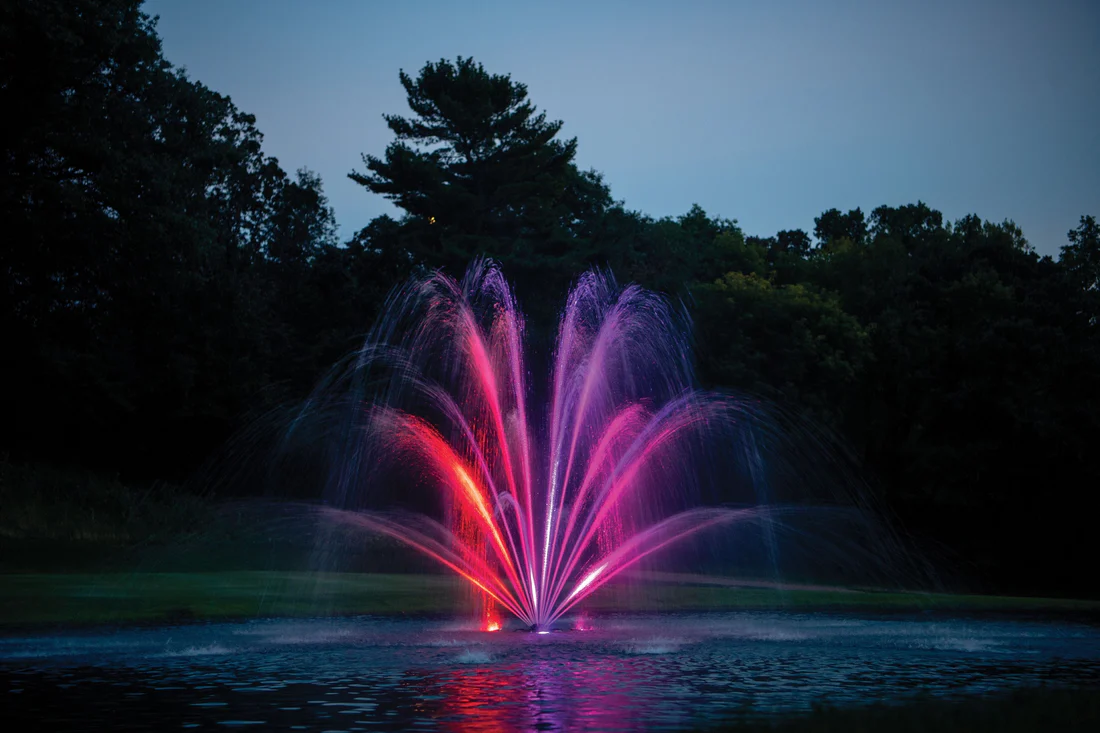
Pond lighting transforms your water feature from a daytime attraction into an evening centerpiece that enhances both beauty and security. The right lighting design balances aesthetic appeal with practical safety concerns, creating an outdoor space you can enjoy confidently after dark. Poor lighting choices can create hazards, waste energy, and diminish your property’s nighttime appeal.
Modern lighting solutions for water features have evolved beyond simple spotlights. Today’s Kasco pond fountains and lighting systems offer layered illumination options that serve dual purposes: highlighting architectural elements and preventing accidents around wet surfaces. Combining underwater lights with strategic perimeter placement creates depth, dimension, and clear visual boundaries that guests appreciate. You’ll find that thoughtful lighting design reduces liability concerns and increases the usable hours of your outdoor space.
Understanding Safety Requirements for Pond Lighting
Electrical Code Compliance: Your lighting installation must meet local electrical codes designed for wet locations and outdoor environments. Ground Fault Circuit Interrupter (GFCI) protection is non-negotiable when electricity and water mix. Many property owners skip this step, only to face inspection failures or dangerous electrical faults that could have been prevented with proper planning from the start.
Pathway Illumination Standards: Edges and walkways around your pond need sufficient illumination to prevent trips and falls. Darkness obscures changes in elevation, wet spots, and obstacles that become hazards once the sun sets. Lighting these areas isn’t just about avoiding lawsuits; it’s about creating a space where people move comfortably without hesitation or fear.
Underwater Light Placement: Submersible fixtures require careful positioning to avoid glare that blinds visitors approaching the water’s edge. Aim lights away from primary viewing angles and walking paths. The goal is to illuminate the water column and fountain spray without creating uncomfortable bright spots that reduce visibility rather than enhance it.
Choosing the Right Underwater Lighting Options
LED versus Traditional Fixtures: LED technology dominates modern pond lighting due to energy efficiency and longevity that traditional halogen bulbs can’t match. You’ll replace LED fixtures far less frequently, reducing maintenance costs and the hassle of draining sections of your pond for bulb changes. The initial investment pays for itself through lower electricity bills and reduced service calls.
Color Temperature Selection: Warm white lights (2700-3000K) create inviting, natural ambiance that complements most landscaping styles. Cool white or daylight spectrum options (5000-6500K) produce crisp, modern aesthetics but can feel harsh in residential settings. Perhaps the safest approach combines both temperatures in different zones to create visual interest without overwhelming any single design direction.
Depth and Wattage Considerations: Deeper ponds require higher wattage fixtures to achieve visible illumination throughout the water column. Shallow decorative ponds work well with lower wattage options that prevent overlighting. Calculate your needs based on water depth, clarity, and desired effect rather than selecting fixtures based solely on price or availability.
Strategic Perimeter Lighting Placement
Uplighting for Trees and Structures: Position fixtures at the base of trees, boulders, or architectural elements surrounding your pond to create dramatic shadows and highlight textures. These upward-facing lights draw eyes upward, making your landscape feel larger and more dynamic. Spacing them 8-10 feet apart typically provides good coverage without creating overly bright zones.
Path Lights for Safe Navigation: Low-level pathway markers guide foot traffic without producing excessive glare that ruins night vision. Install them consistently along both sides of walking routes, particularly where paths curve or change elevation near the water’s edge. Inconsistent spacing creates confusion and defeats the safety purpose these lights serve.
Accent Lighting for Focal Points: Highlight statuary, plant groupings, or waterfall features with directional spotlights that create layers of visual interest. This approach prevents the flat, one-dimensional appearance that happens when all illumination comes from a single source or angle. Think about creating zones of light and shadow rather than flooding everything evenly.
Creating Effective Lighting Layers
Primary Layer – Functional Safety: Start with essential safety lighting that illuminates steps, edges, and transition points where land meets water. This foundation layer operates on timers or photocells to activate automatically at dusk. Skipping this step to save costs usually backfires when someone stumbles in the dark, potentially creating liability issues you’d rather avoid.
Secondary Layer – Aesthetic Enhancement: Add decorative elements after safety needs are met. Consider the following approaches:
- Silhouette lighting behind fountains creates dramatic backlit spray effects.
- Submersible uplights positioned beneath waterfalls emphasize cascading movement and create mesmerizing patterns.
- Grazing lights placed close to textured walls or rock formations enhance surface details.
- Moonlighting from overhead tree branches mimics natural illumination and adds softness.
Tertiary Layer – Accent and Drama: Install adjustable spotlights and color-changing options for special occasions or seasonal variety. These elements remain off during routine use but provide flexibility when you’re entertaining or celebrating holidays. Control systems that manage all three layers independently give you the most versatility without complicated rewiring later.
See also: Indian Decor for Living Room: Timeless Ideas to Elevate Your Home
Maintenance and Long-Term Performance
Cleaning Schedules for Optimal Output: Underwater lights accumulate algae, mineral deposits, and debris that reduce brightness over time. Establish a quarterly cleaning routine during routine pond maintenance to prevent buildup that cuts light output by 30-40%. Neglecting this simple task means you’re paying for illumination you’re not actually receiving.
Seasonal Adjustments and Winterization: Cold climate installations require attention before freezing temperatures arrive. Some fixtures tolerate ice formation, but others need removal and storage to prevent cracking or seal failures. Check manufacturer specifications rather than assuming all pond lights handle winter conditions equally well.
Conclusion
Designing safe and beautiful pond lighting requires balancing aesthetic goals with practical safety considerations that protect both guests and your investment. Strategic placement of underwater and perimeter fixtures creates visual depth and reduces accident risks around your water feature. Don’t settle for basic lighting that only serves one purpose when thoughtful design delivers both beauty and security. Take time to plan your lighting layers now, and you’ll enjoy a stunning evening landscape that functions safely for years to come.