In the contemporary business landscape, branding extends much beyond logos on letterheads or company websites. It encompasses every touchpoint of the business, and this includes the attire your staff wear. The uniforms they don can be a powerful tool in conveying your brand’s ethos, assiduity, and professionalism. This article serves as an ultimate guide to enhancing your brand identity through custom uniforms, aligning the presentation of your employees with the values and image of your business.
The Importance of Professional Workwear
First impressions are lasting, and the attire of your staff is often the first visual cue that customers and clients encounter. Professional workwear not only helps in creating a positive first impression but also instils a sense of trust and reliability in your brand. Moreover, it unifies your team, creating a team spirit and a sense of belonging amongst employees. A distinctive uniform makes staff easily recognisable, which is particularly beneficial in service-oriented sectors where customer interaction is pivotal.
Designing Custom Uniforms: An Expression of Brand Identity
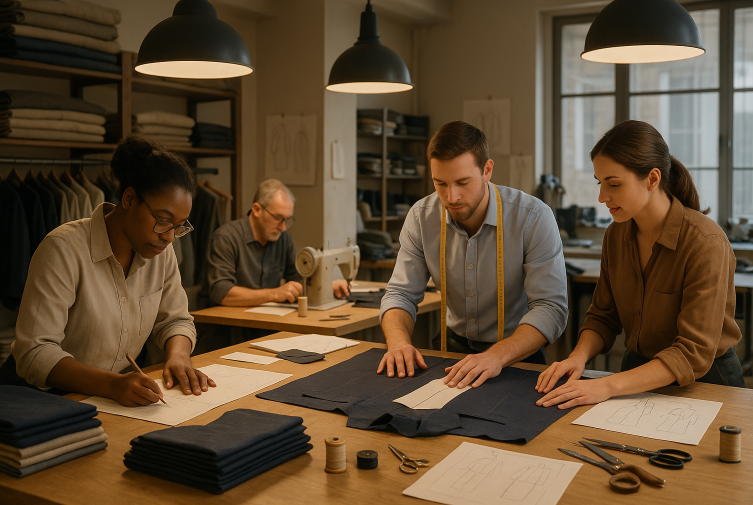
Designing custom uniforms is not as straightforward as picking a colour and slapping on a logo. It involves careful consideration of the brand’s colour palette, the nature of the work, the practicality of the attire, and the comfort of employees. A well-designed uniform should serve as an extension of your brand’s identity, subtly echoing its narrative through the threads woven.
This means thinking about the kind of fabrics that will be used, the fashion elements that could enhance the design without compromising professionalism, and the crucial functionality that each role may require from their workwear. For example, someone working outdoors might require hats and breathable fabrics, while a front-office employee may need smart, fitted attire that complements the upscale environment of the reception.
Functionality Meets Fashion
The dichotomy of function and fashion is an integral aspect to bear in mind when curating custom uniforms. Employees not only need to look good but also feel good. Functional design elements such as pockets in the right places, high-quality fabric that endures repeated washing, and fits that are inclusive of all body types are indispensable considerations.
Moreover, fashionable, contemporary designs can boost an employee’s confidence and enhance morale. This is vital as it can directly affect their productivity and the way they represent the company to the outside world.
Brand Alignment and Uniformity
The concept of uniformity in uniform design is essential to maintain consistency across various departments or branches of a company. This uniformity helps in creating a cohesive brand image that customers begin to recognise and associate with trustworthiness and professionalism. Should you operate a multi-faceted business, consider variations of the uniform that retain core elements – such as colours or logos – that keep the brand message coherent across different settings.
Considerations for Material and Sustainability
Today’s consumers and employees alike are increasingly concerned with eco-friendly practices. Choosing sustainable materials and ethical manufacturing processes reflects well on a brand’s image and resonates with a growing demographic that favours environmentally-conscious businesses. Thus, while selecting uniforms, opting for eco-friendly fabrics and suppliers can have a broader, positive impact on your brand perception.
Additionally, there’s a practical aspect to selecting the right material. It must withstand the daily demands of the job while remaining in good condition. Durability saves costs in the long run, avoiding the need for frequent replacements.
Customising for the Corporates
Corporate sectors often navigate the challenge of maintaining formality while wishing to evoke a sense of brand personality through their uniforms. Custom uniforms in the corporate realm can range from tastefully branded suits and blazers to subtly embroidered shirts or blouses, ensuring that employees exude sophistication and the business’s professionalism while wearing something unique to the company.
This brings us to the vital element of branding. Embroidery or printing of logos should be done in a manner that strikes a balance – visible but not overwhelming. It’s the subtlety that often carries the elegance of a brand’s identity.
Logistics and Maintenance of Workwear
A final but critical aspect of opting for custom uniforms is considering the logistics of procurement and maintenance. Establishing a partnership with a reliable supplier who can provide high-quality uniforms and deliver them in a timely manner is crucial. One should also consider the ease of maintenance for the work attire; selecting materials that are machine washable and wrinkle-resistant can save time and resources for both the employee and the company.
Maintenance extends to the procedures for wear and care of uniforms. Providing clear guidelines for employees on how to maintain their uniforms can extend the life of the garments and preserve the professional appearance that is intended.
See also: How A Business Coach Helps Family Business Owners Grow
The Role of Consultation and Inclusivity
An often-overlooked part of the process is consulting with the employees who will be wearing the uniforms. Inclusivity in terms of sizes, accessibility, and comfort should be high on the priority list. Gaining feedback from employees on designs, fit, and functionality can be insightful and can help in creating a uniform that employees are proud to wear.
In conclusion, custom uniforms are not just a necessary part of employee attire; they are a strategic tool in brand positioning and image-building. Their value in terms of creating a professional, unified, and distinctive presentation of your business’s workforce cannot be overstated. They are the threads that weave together the visual narrative of your company, binding it into a cohesive and recognisable entity.
The journey towards elevating your brand through professional workwear is multifaceted, touching upon aspects like design sensibilities, functional requirements, sustainability, logistics, employee engagement, and brand strategy. But when executed thoughtfully, the custom uniforms you select can become one of your brand’s most potent and visible ambassadors.
For businesses looking to explore the possibilities of enhancing their brand through specialised attire, the procurement of well-crafted custom uniforms can serve as a keystone in the architecture of their brand identity. With the right approach, the results are not merely uniforms – they become an inseparable, vibrant facet of the company’s public face and culture.